


A PORTFOLIO PROJECT SHOULD EXPLAIN MORE THAN ITS FINAL APPEARANCE
Turn Creative Work into Evidence a Potential Client Can Understand
A polished gallery can attract attention, but it rarely answers the questions that matter before an enquiry. A useful creative services case study page explains the situation, the responsibility assumed by the studio and the reasoning behind the result. StudioDDC treats the page as a compact piece of professional evidence: enough context to understand the problem, enough detail to judge the approach and a clear route towards a relevant service or conversation.
The story begins with the reader rather than the production chronology. A potential client wants to know whether the studio understands constraints similar to their own, can make decisions under pressure and can deliver work that remains usable after launch. Lead with that decision. Then arrange the project around a small number of proof points instead of reproducing every meeting, draft and experiment in the order they happened.
Start with the Decision the Reader Needs to Make
Set boundaries in the opening section. Identify the type of organisation, audience, channel and challenge without exposing information that was never intended for publication. Clarify the studio role: strategy, design, development, content, technical repair or a defined combination. When several collaborators were involved, credit them accurately. This makes the case study more trustworthy and prevents the final presentation from implying ownership of work completed by someone else.
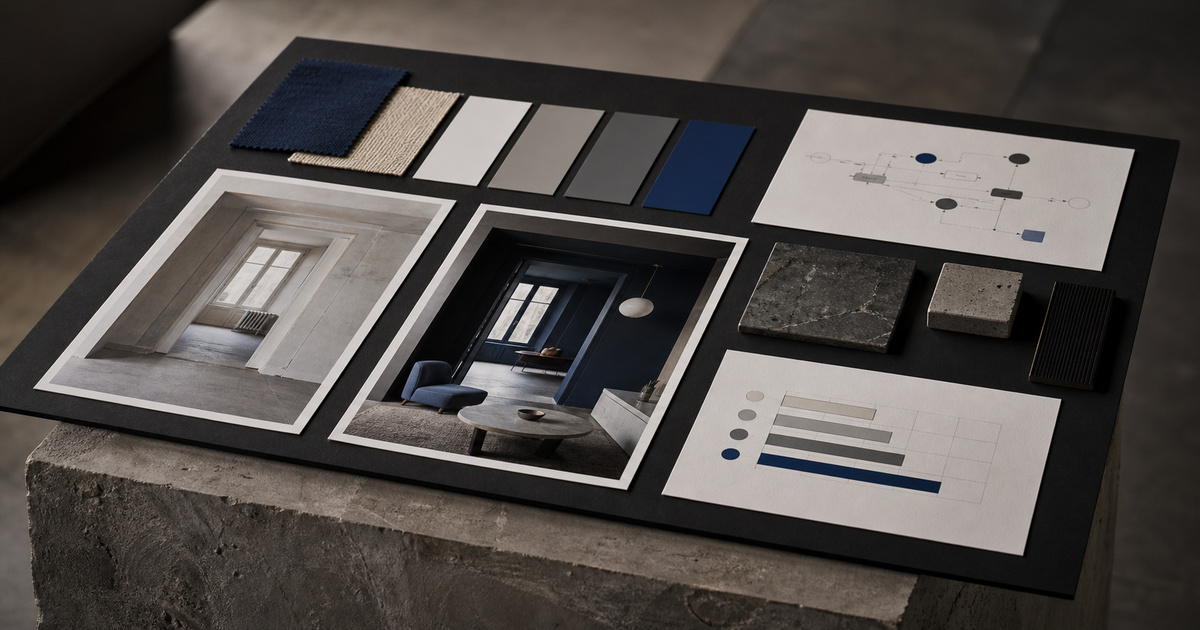
Process is most convincing when it is selective. Show the brief that changed a decision, a structural sketch that solved navigation or a comparison that demonstrates why one direction was rejected. Avoid decorative wireframes added only to make the process look extensive. Two carefully chosen artefacts, explained in plain language, can reveal more judgment than a long carousel of unexplained screens and make the page easier to use on mobile.
Show Process without Publishing a Private Project Diary
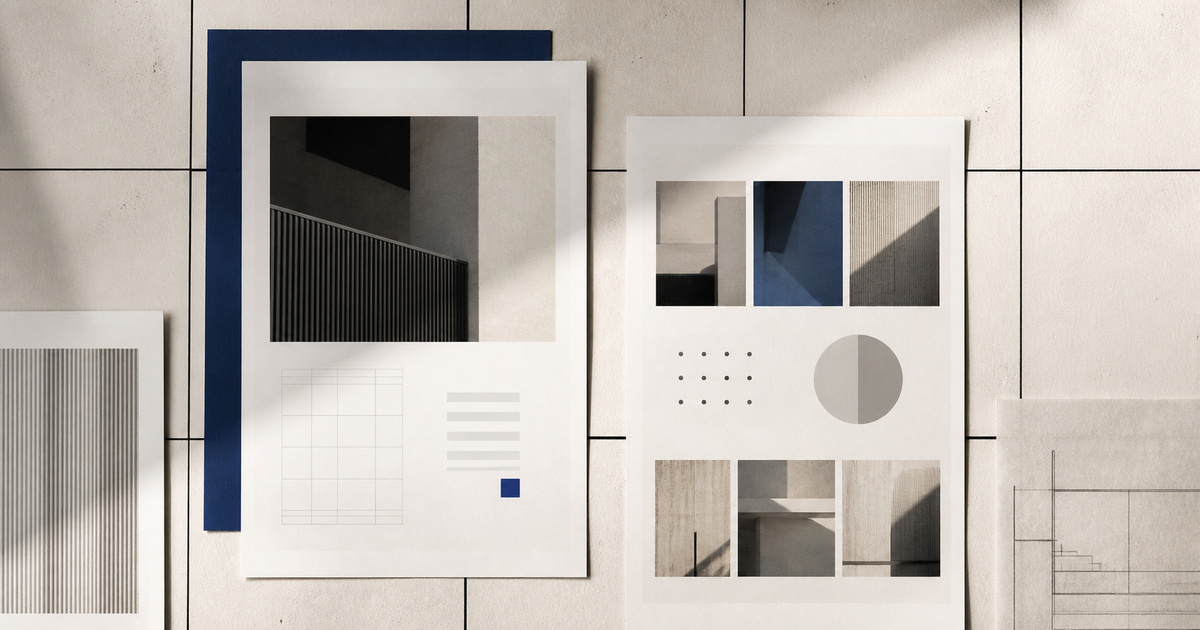
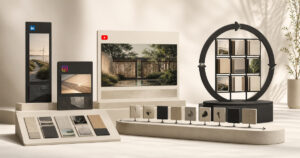
Choose images for the argument they support. A full-page view can establish the visual system; a close detail can demonstrate hierarchy, typography or production quality; an environmental mockup can show scale when it remains physically credible.
Every image needs a descriptive filename and alternative text. Captions are optional, but nearby copy should make clear what the reader is seeing and why that detail mattered to the project.
Connect Visual Quality to a Useful Outcome
Results do not have to be inflated into dramatic growth claims. If reliable analytics exist, state the measurement period and what changed.
If commercial figures are private, use observable outcomes: a clearer publishing workflow, fewer repeated support questions, a responsive catalogue, a reusable block system or an easier path to enquiry. Honest evidence is stronger than an unsupported percentage and remains politically safe for the client or brand represented.
Maintain the Case Study as Part of the Website
A case study also needs an information architecture that search engines and readers can follow. Use one descriptive H1, specific H2 sections, concise paragraphs and visible links to the relevant service.
The title and introduction should name the real project discipline, while supporting language can cover the audience, platform and problem. Keyword repetition cannot compensate for thin evidence; original analysis and a complete explanation create the value.
Connect Visual Quality to a Useful Outcome
Internal links should continue the research journey rather than decorate the footer. Connect the project to the matching Web Design, WordPress, Graphic Design or strategy page, then include one or two genuinely related case studies. A contextual link placed beside the decision it expands is more helpful than an oversized list of unrelated work. The final call to action should reflect the project: discuss a redesign, review a content system or explore a comparable service.
Rights and privacy deserve a final editorial check. Confirm that images, logos, copy and performance data may be shown; remove personal details from screenshots; do not expose analytics accounts, email addresses or unpublished work. When discussing a real business, describe the public project and StudioDDC contribution without making claims about internal operations. This care protects the client while demonstrating the professional standards behind the presentation.
Maintain the Case Study as Part of the Website
Treat every case study as maintained content. Recheck external destinations, portfolio links, image delivery and mobile spacing after theme or plugin changes. Update a result when stronger evidence becomes available and add a note if the original site is no longer live. A concise, accurate page that still works in two years is more valuable than a launch story that quietly accumulates broken links and obsolete screenshots.
Professional context: DidacSoria.com.
FREQUENTLY ASKED QUESTIONS
Practical Questions about Creative Services Case Study Page
How long should a creative services case study be?
Use the length needed to explain context, responsibility, decisions and evidence. A focused project may need 700 words; a complex redesign may deserve more.
Can a case study be published without client metrics?
Yes. Use verifiable outcomes such as improved structure, maintainability, accessibility or a clearer user journey instead of inventing commercial figures.
What should appear first on a case study page?
Begin with the project context, the studio role and the decision the reader should be able to make after reviewing the work.
Build a System That Can Be Reviewed and Improved
StudioDDC connects strategy, content, design and technical review in a documented workflow built for long-term use.
Continue with a Clear Next Step
Explore the StudioDDC portfolio or discuss a focused project when the method needs to become a working digital experience.






 Print on Demand Product Quality Workflow for Consistent Brands

Leave a Reply