


StudioDDC Portfolio Reference
See Menu Decisions in a Real Project
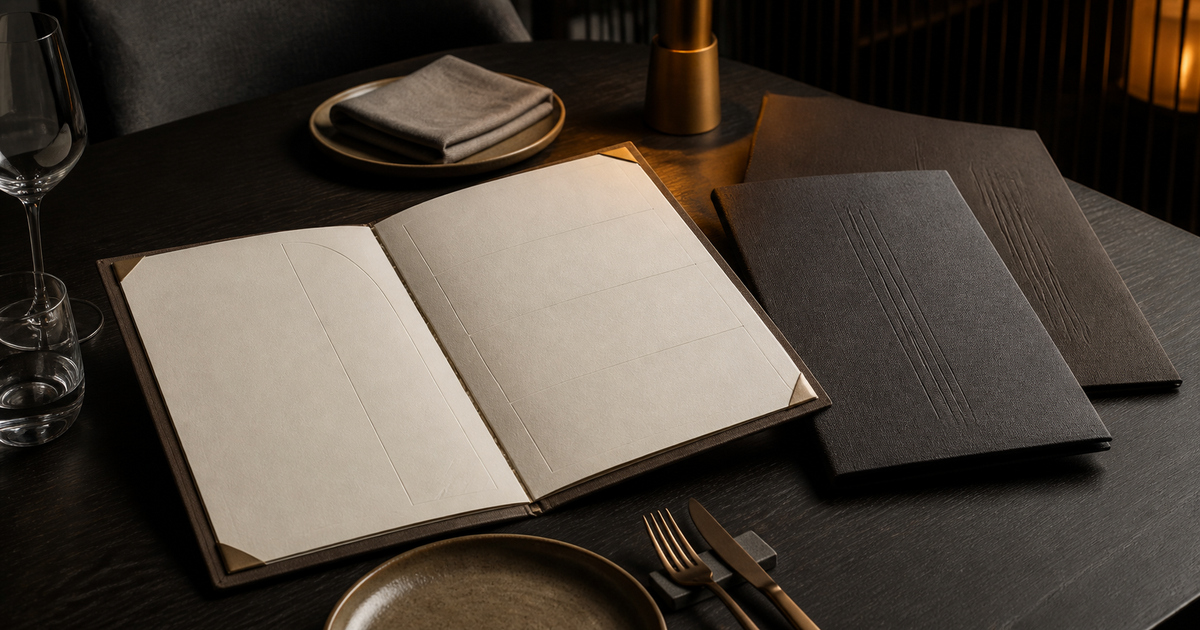
This article uses the StudioDDC restaurant menu project as a visual reference. The project is presented respectfully as evidence of layout, hierarchy and production decisions; it does not disclose private business information or make claims about the organisation behind the design.
Design with a Clear Purpose
Restaurant Menu Design: Guide Choice with Clarity and Character
A strong restaurant menu design project begins with the decision the audience needs to make. StudioDDC approaches menu as communication: the work must attract attention, organise meaning and remain practical after the presentation has ended.
For restaurants, cafés, bars and hospitality teams updating their customer experience, the goal is a menu that helps guests decide without flattening the restaurant personality. That requires editorial judgement, technical preparation and a visual system strong enough to work in ordinary use, not only in a polished mockup.
Strategic Foundation
What Restaurant Menu Design Must Achieve
The format may be familiar, but the communication problem is specific. Before choosing colour or type, the project needs a defined audience, an honest offer and a hierarchy based on real questions. This prevents visual polish from hiding missing information.
StudioDDC uses the brief to decide what deserves emphasis, what can remain quiet and what should be removed. The resulting design feels considered because every visible choice supports the same purpose: a menu that helps guests decide without flattening the restaurant personality.
Questions the Brief Must Answer
Who needs this material and in which situation?
What should the person understand first?
Which proof makes the message credible?
How will the asset be produced and maintained?
Three Working Principles
A Stronger Approach to Menu
01
Structure the Decision
Categories and item order should match how guests actually scan and choose.
02
Respect Reading Conditions
Type size, contrast and lighting tests matter more at the table than on a bright monitor.
03
Design for Service
Durability, updates and physical handling must be considered before selecting a finish.
From Concept to Working Asset
Design Menu in the Context Where It Will Be Used
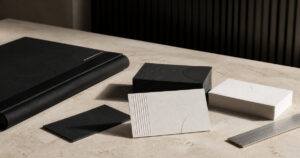
A mockup is useful when it exposes scale, handling, viewing distance or screen behaviour. It should not be used to disguise weak content. StudioDDC reviews the composition both in isolation and in context, then returns to the source file to correct the hierarchy rather than retouching the presentation.
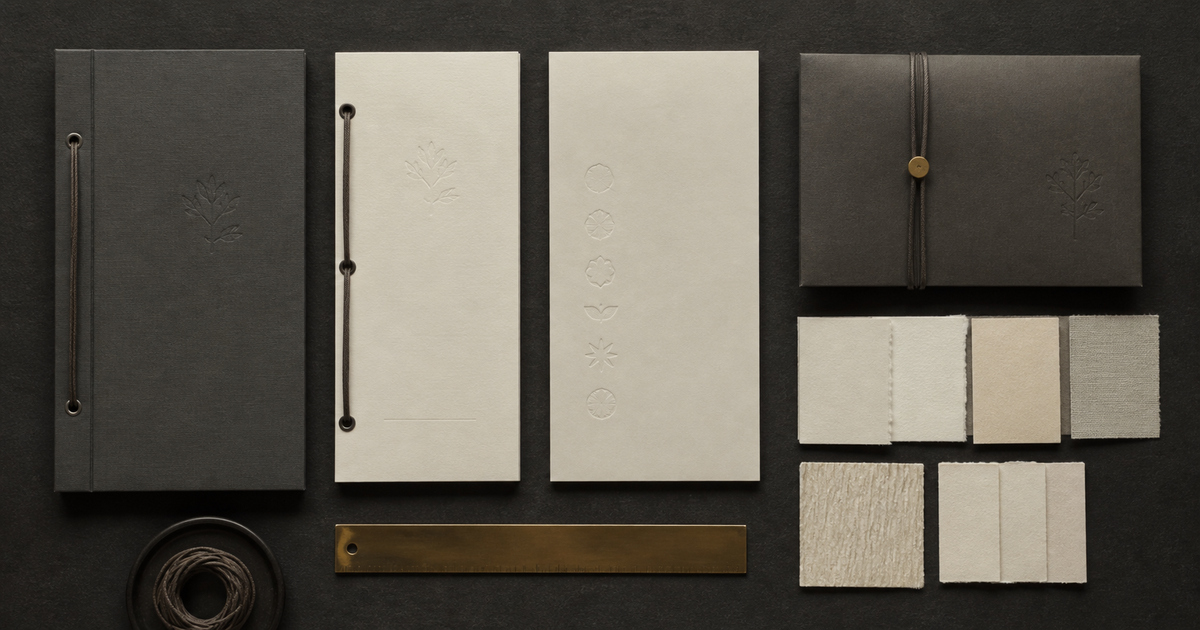
The portfolio reference demonstrates how visual material can support a broader system. Names and commercial details are not the focus; the useful lesson lies in spacing, contrast, information order and the relationship between the design and its physical or digital format.
A Practical Workflow
Four Stages for Better Menu
A reliable process reduces subjective debate by connecting each review to a specific decision. The stages below are deliberately simple, but each one should produce evidence before the next begins.
01
Organise The Offer Before Opening The Design File
At this stage, the practical task is to organise the offer before opening the design file. The review should test whether it supports a menu that helps guests decide without flattening the restaurant personality, then record the approved decision for later production.
02
Define A Flexible Typographic Hierarchy
At this stage, the practical task is to define a flexible typographic hierarchy. The review should test whether it supports a menu that helps guests decide without flattening the restaurant personality, then record the approved decision for later production.
03
Prototype Pages At Actual Size
At this stage, the practical task is to prototype pages at actual size. The review should test whether it supports a menu that helps guests decide without flattening the restaurant personality, then record the approved decision for later production.
04
Test Readability, Cleaning And Update Costs
At this stage, the practical task is to test readability, cleaning and update costs. The review should test whether it supports a menu that helps guests decide without flattening the restaurant personality, then record the approved decision for later production.
Production and Quality Control
Details that Protect the Final Menu
Design quality is not finished when the layout looks balanced. Files, linked images, type licences, colour values, output dimensions and naming conventions all affect whether another person can reproduce the work accurately. For print, the production specification must be confirmed with the provider; for digital formats, responsive crops and export sizes need their own checks.
Useful references include Adobe’s guidance on graphic design disciplines, print-ready PDF production and the W3C explanation of minimum text contrast. These sources support technical decisions; the brief and audience still determine the right creative answer.
Quality Review
Five Problems to Catch Before Approval
The most expensive mistakes are often ordinary: information that was never verified, a format that was never tested or a production requirement discovered too late. A calm final review should be separate from the creative presentation.
Crowded Categories
Prices That Dominate Every Item
Low Contrast In Dim Light
Inconsistent Naming
A Format That Staff Cannot Update
Practical Questions
Menu FAQ
How should a restaurant menu be organised?
For restaurants, cafés, bars and hospitality teams updating their customer experience, this question should be answered in relation to a menu that helps guests decide without flattening the restaurant personality. Categories and item order should match how guests actually scan and choose. The decision is tested during organise the offer before opening the design file before final approval.
What font size is suitable for a menu?
For restaurants, cafés, bars and hospitality teams updating their customer experience, this question should be answered in relation to a menu that helps guests decide without flattening the restaurant personality. Type size, contrast and lighting tests matter more at the table than on a bright monitor. The decision is tested during define a flexible typographic hierarchy before final approval.
Should menus be laminated or placed in covers?
For restaurants, cafés, bars and hospitality teams updating their customer experience, this question should be answered in relation to a menu that helps guests decide without flattening the restaurant personality. Durability, updates and physical handling must be considered before selecting a finish. The decision is tested during prototype pages at actual size before final approval.
Design for Real Use
Need Menu that Works Beyond the Mockup?
StudioDDC combines visual judgement, clear content structure and production care to create brand materials that remain useful after launch.
Continue with a Useful Decision
Choose the Next Resource for Your Project
If the identity still needs definition, continue through the Graphic Design portfolio and compare how different formats carry the same brand logic. If the visual system is ready but the website is not, review the Web Design service before producing disconnected digital assets.
For broader planning, the StudioDDC blog connects design, WordPress, content and performance. Use it to prepare a more precise brief rather than collecting unrelated inspiration.







 WordPress AI Prompt Injection Security for Real Publishing Workflows

Leave a Reply